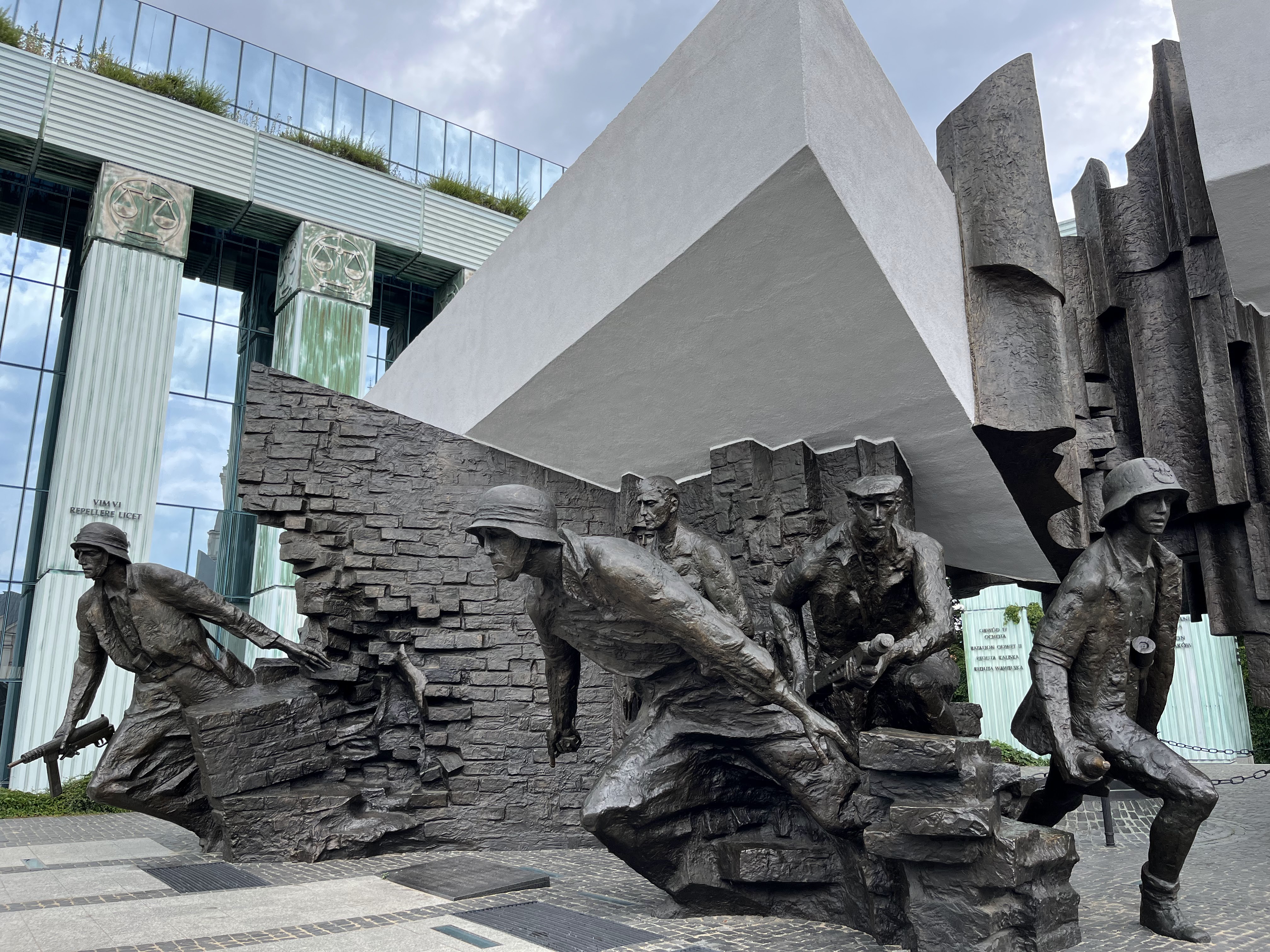
Pomnik Powstania Warszawskiego (Warszawa)
Pomnik Powstania Warszawskiego 1944 · plac Krasińskich · Wstęp wolny 24/7
Poznaj Pomnik Powstania Warszawskiego
Pomnik Powstania Warszawskiego (ang. Warsaw Uprising Monument) stoi przy placu Krasińskich w Warszawie. Odsłonięty 1 sierpnia 1989 roku, upamiętnia bohaterów Powstania Warszawskiego z 1944 roku — największego zbrojnego zrywu europejskich ruchów oporu podczas II wojny światowej. Ten wolno dostępny pomnik znajduje się przy południowej krawędzi placu Krasińskich, przed budynkiem Sądu Najwyższego.
Stojąc przed Pomnikiem Powstania Warszawskiego, od razu otacza cię powaga i głębia. Cała grupa rzeźbiarska, wykonana w niezwykle sugestywny, realistyczny sposób, przywraca bohaterskie chwile powstania z 1944 roku — rozbite struktury, walczące postacie w milczeniu opowiadają o cierpieniu i oporze, jakiego doświadczyło to miasto.
Plac jest cichy i pełen zadumy, wolny od komercyjnego zgiełku. Zwiedzający poruszają się powoli i cicho, stojąc w pełnym szacunku skupieniu. Dwie grupy rzeźbiarskie uzupełniają się — z jednej strony odważni żołnierze, z drugiej cywile walczący o przetrwanie w ruinach. Precyzyjne detale rzeźb ukazują zarówno okrucieństwo wojny, jak i niezłomność człowieka.
Wokół wznoszą się nowoczesne budynki, kontrastujące z tym ciężkim historycznym pomnikiem — co pozwala jeszcze mocniej docenić wartość pokoju. Możesz powoli obejść pomnik, wchłaniając emocje płynące z rzeźb, i zadumać się na rozległym placu pamięci, pamiętając ten rozdział dziejów miasta, którego nigdy nie wolno zapomnieć.
Gdy zapada zmrok, chłodne światło i cienie otulają cały plac, a sylwetka pomnika staje się coraz bardziej dostojna. To nie tylko rzeźbiarski zabytek — to duchowy filar Warszawy, świadek zniszczenia, oporu i odrodzenia, pozwalający każdemu zrozumieć historię i wiarę tego niezłomnego miasta.
Wskazówki dla zwiedzających
- Najlepiej odwiedzać wczesnym rankiem lub późnym popołudniem — miększe światło i mniej tłumu
- Plenerowy plac pamięci jest bezpłatny i otwarty 24/7 przez cały rok
- Zachowaj powagę i ciszę z szacunku dla poległych
- Noś wygodne buty do chodzenia — plac ma rozległe brukowane powierzchnie
Najważniejsze informacje
- Najważniejszy pomnik II wojny światowej w Polsce
- Główny symbol upamiętniający Powstanie Warszawskie 1944
- Europejski klasyk pomników historycznych z czasów II wojny światowej
- Ważne miejsce edukacji patriotycznej i pamięci historycznej
O Pomniku Powstania Warszawskiego
Informacje podstawowe
Oficjalna nazwa
Pomnik Powstania Warszawskiego
Rodzaj atrakcji
Pomnik historyczny, pomnik powstania, dziedzictwo kulturowe
Kraj
Polska
Miasto
Warszawa
Ocena Google
4.8 / 5 (5 579 opinii)
Adres
plac Krasińskich, 00-263 Warszawa, Polska
Pogoda w Warszawie
Aktualne warunki i prognoza na 5 dni dla okolic pomnika — pomoc w planowaniu wizyty.
Prognoza na 5 dni
Godziny otwarcia
Plac pamięci i pomnik
Otwarty 24/7 przez cały rok, bez ograniczeń
Rocznica powstania — 1 sierpnia
Coroczna uroczystość państwowa przy pomniku
Inne dni rocznicowe
Wydarzenia okolicznościowe przez cały rok; plac pozostaje otwarty 24/7
Ważna informacja
Uroczystości i wydarzenia odbywają się w dni rocznicowe i przy specjalnych okazjach. Panuje powaga i dostojna atmosfera.
Najlepiej odwiedzać wczesnym rankiem lub późnym popołudniem — mniej tłumu i lepsza atmosfera
Ceny biletów
Plenerowy plac pamięci
Wstęp wolny, bez opłat
Bezpłatny pomnik i płatne muzeum
Warto wiedzieć
Muzeum (dzielnica Wola) to oddzielna, płatna atrakcja; sam pomnik na placu Krasińskich jest zawsze bezpłatny.
Jak dojechać
Z Lotniska Chopina w Warszawie
Autobusem 175 lub pociągami miejskimi S2/S3 do centrum (Warszawa Centralna), przesiadka na metro linii M1 do stacji Ratusz Arsenał, a stamtąd ok. 8 min spacerem do placu Krasińskich. Przejazd z lotniska można też zamówić bezpośrednio pod pomnik.
Własny samochód / przejazd
Najwygodniejsza opcja. Centrum Warszawy ma dobrze rozwiniętą sieć drogową. Usługi przejazdu działają w całym mieście z punktami dowozu blisko placu Krasińskich.
Z Dworca Centralnego w Warszawie
Z Warszawy Centralnej dojedziesz tramwajem 15, 18 lub 35 do przystanku Muranów, albo metrem linii M1 do stacji Ratusz Arsenał, a stamtąd 5–8 min spacerem do placu Krasińskich.
Z centrum / Starego Miasta
Z Rynku Starego Miasta ok. 8 min spacerem na południowy zachód do placu Krasińskich; z Pałacu Kultury i Nauki metrem linii M1 do Ratusz Arsenał i 6 min spacerem. Plac leży między Starym Miastem a dawnym gettem, więc większość atrakcji centrum jest w zasięgu spaceru.
Rower
Warszawa ma dobrze rozwiniętą sieć ścieżek rowerowych. W centrum działają publiczne stacje rowerowe. Dojazd rowerem na plac Krasińskich daje elastyczność i pozwala zwiedzać okolicę we własnym tempie.
Wskazówki podróżne
Warto kupić jednodniowy bilet na komunikację miejską z nielimitowanymi przejazdami metrem, tramwajem i autobusem — idealny przy zwiedzaniu kilku atrakcji. Centrum ma czytelne oznakowanie w wielu językach.
Udogodnienia na miejscu i w pobliżu
Sam plac pamięci jest wolny od obiektów komercyjnych. Poniżej znajdziesz typowe udogodnienia w zasięgu spaceru od placu Krasińskich.
Toalety publiczne
Na placu pamięci nie ma publicznych toalet. Najbliższe znajdują się w okolicy Rynku Starego Miasta oraz w miejskich obiektach centrum, około 8–10 minut pieszo. Skorzystaj z toalet w węzłach przesiadkowych lub centrach handlowych przed przyjazdem.
Parking
plac Krasińskich leży w strefie płatnego parkowania — miejsca przy ulicach są ograniczone i czasowe. W centrum działają też parkingi wielopoziomowe. Do placu najłatwiej dojechać komunikacją miejską.
Gastronomia i kawiarnie
Na placu pamięci nie ma restauracji ani kiosków. W promieniu 5–15 minut spaceru Stare Miasto i centrum oferują szeroki wybór kawiarni, restauracji, bistro i barów szybkiej obsługi w każdej cenie.
Hotele i noclegi
Zakwaterowanie w centrum Warszawy i na Starym Mieście obejmuje hostele, hotele budżetowe oraz hotele wyższej kategorii. Najbliższe otoczenie placu to głównie biurowce i budynki publiczne, więc większość hoteli jest 10–20 minut pieszo. Zobacz sekcję Noclegi.
Sklepy spożywcze i convenience
Sklepy convenience i supermarkety są powszechne w centrum Warszawy, wiele działa do późna. Najbliższe ulice handlowe prowadzą w stronę Starego Miasta i Nowego Światu, około 10 minut pieszo.
Stacje paliw i ładowarki EV
Stacje benzynowe w ścisłym centrum są rzadkie, a publiczne ładowarki wokół placu Krasińskich wciąż nieliczne. Jeśli jedziesz samochodem, zatankuj lub naładuj przed wjazdem do centrum i kieruj się lokalnymi znakami parkingowymi.
Jako niekomercyjna strona edukacyjna nie rekomendujemy konkretnych firm — powyższa lista obejmuje typy udogodnień, które zwykle znajdują się w pobliżu.
Pomnik Powstania Warszawskiego — co warto wiedzieć
Znaczenie historyczne
W 1944 roku mieszkańcy Warszawy podjęli wielki zbrojny zryw przeciwko okupacji. Ten bohaterski bój trwał sześćdziesiąt trzy dni, nim zakończył się tragedią — miasto legło w gruzach, a tysiące cywilów i powstańców zapłaciło najwyższą cenę. Aby upamiętnić to bohaterstwo i uczcić poległych, po wojnie władze Warszawy zaplanowały i wzniosły Pomnik Powstania Warszawskiego. Usytuowany w sercu placu pamięci, stał się symbolem ducha miasta. Zaprojektowany przez uznanych artystów na podstawie autentycznych archiwaliów, oddaje realistycznie sceny wojenne. Przez dziesięciolecia pomnik przetrwał przebudowy miasta, stale służąc pamięci, edukacji i kulturze — przypominając o bólu wojny i wartości pokoju. To obowiązkowy punkt dla turystów chcących zrozumieć historię Polski w czasie II wojny światowej.
Cechy architektoniczne
Pomnik składa się z dwóch grup wielkich, realistycznych rzeźb podzielonych na dwa wątki: bohaterską walkę i przetrwanie w ruinach. Postacie mają mocne, ciężkie rysy i bogate detale. Całość dominuje w centrum otwartego placu pamięci, otoczona twardym brukiem i minimalistyczną zielenią, co buduje powagę i dostojność. Grupa rzeźbiarska z potężnym wyrazem oddaje sceny oporu. Współczesny, realistyczny styl pomnikowy łączy surową, ciężką fakturę kamienia z heroiczną formą, rezygnując z ozdobników. Poprzez oszczędne, dostojne środki przywraca grozę wojny, zachowując wyraz artystyczny i historyczną wagę.
Znaczenie kulturowe
Pomnik niesie zbiorową pamięć narodu polskiego, czcząc powstańców i cywilów, którzy oddali życie. Jest ważnym miejscem edukacji patriotycznej, upamiętniania historii i zadumy. Co roku w rocznicę powstania odbywają się tu państwowe uroczystości, głęboko interpretujące ducha oporu, odrodzenia i pamiętania. Pomnik świadczy o zniszczeniu i odbudowie Warszawy, stając się duchowym punktem, który każdy powinien przeżyć, by zrozumieć siłę i wiarę tego miasta.
Co zobaczysz
Wchodząc na plac pamięci, od razu otacza cię powaga. Dwie grupy rzeźbiarskie — jedna z walczącymi żołnierzami, druga z cywilami w ruinach — stoją w potężnym kontraście. Postawa i wyraz każdej postaci oraz połamane elementy budowli tworzą scenę rozpaczy i oporu. Stojąc cicho przed pomnikiem, wsłuchujesz się w nieme świadectwo historii i czujesz ciężar tamtej przeszłości. Gdy zapada zmrok i chłodne światło rozlewa się po placu, sylwetka pomnika staje się coraz bardziej dostojna. Tu zrozumiesz Warszawę — nie tylko stolicę Europy, ale miasto zrodzone z ognia, odbudowane z popiołów i niezłomne.
Historia, opowieści i tradycje
Udokumentowane fakty i żywa pamięć za najważniejszym pomnikiem Warszawy.
Pomnik obywatelski, budowany przez dwie dekady
Pomysł upamiętnienia powstania 1944 roku krążył przez lata, ale dopiero na początku lat 80. komitet obywatelski zebrał publiczne datki i materiały. Akt erekcyjny wmurowano 31 lipca 1984 roku, w przeddzień 40. rocznicy wybuchu powstania, a w grudniu 1984 roku ogłoszono konkurs na projekt. Pomnik odsłonięto wreszcie 1 sierpnia 1989 roku — dokładnie w 45. rocznicę wybuchu powstania — jako jeden z ostatnich wielkich projektów pamięci ukończonych przed końcem rządów komunistycznych.
Rzeźbiarz Wincenty Kućma i architekt Jacek Budyn
Zwycięski projekt stworzyli rzeźbiarz Wincenty Kućma i architekt Jacek Budyn. Ich monumentalna, narracyjna kompozycja z szarego granitu zerwała z panującą wówczas modą na abstrakcję, przywracając realistyczną, ekspresyjną rzeźbę do przestrzeni publicznej Warszawy.
Kanały: najbardziej przejmujący motyw pomnika
Jedna z grup rzeźbiarskich przedstawia powstańców schodzących do włazu kanałowego, inna — żołnierzy wychodzących z gruzów. Przez 63 dni powstania warszawskie kanały służyły do przenoszenia ludzi, zaopatrzenia i wiadomości między dzielnicami, a w ostatnich tygodniach — do ewakuacji powstańców ze Starego Miasta. Motyw ten stał się jednym z najpotężniejszych symboli powstania warszawskiego.
Mur ruin
Pomnik zbudowano wokół połamanych murów i kruszącego się muru ceglanego. Po powstaniu i następującej po nim systematycznej destrukcji w ruinie legła około 85% Warszawy. Pęknięty mur pomnika symbolizuje zniszczone miasto — oraz opór, który się z niego podniósł.
Godzina W — miasto staje
Powstanie wybuchło 1 sierpnia 1944 roku o godzinie 17.00 — w tzw. Godzinę W. Co roku 1 sierpnia o 17.00 w całym mieście rozlegają się syreny, a Warszawa zatrzymuje się na minutę ciszy. Przy pomniku składane są wieńce i odbywają się uroczystości państwowe z udziałem weteranów, władz i tłumów mieszkańców.
Plac, który był polem bitwy
plac Krasińskich nie był cichym tłem: podczas powstania Pałac Krasińskich na północnym skraju placu zajęły wojska niemieckie i uczyniły z niego punkt oporu, a w okolicy toczyły się ciężkie walki o jego odbicie. Wzniesienie tu narodowego pomnika — na skraju Starego Miasta i na samym polu bitwy — było świadomym aktem pamięci.
Sugerowana trasa
Najlepiej odwiedzać w godzinach poza szczytem, gdy jest spokojniej. Wejdź głównym wejściem na plac pamięci, zwróć się twarzą do panoramy pomnika i obejdź rzeźby, by oglądać detale z bliska. Przespaceruj się wzdłuż tablic i plansz historycznych wokół placu, by poznać pełną historię powstania. Standardowa wizyta zajmuje ok. 40 minut; zgłębianie historii może przedłużyć się do 1,5 godziny.
Dotrzyj do stacji komunikacji wokół placu i wejdź na Plac Pamięci Powstania Warszawskiego
Zwróć się twarzą do głównej grupy rzeźbiarskiej, oglądając całość z oddali
Powoli obejdź dwie główne grupy rzeźbiarskie, obserwując detale i formy postaci z bliska
Odwiedź tablice pamiątkowe i plansze edukacyjne wokół placu, poznając tło i historię powstania
Stań w ciszy w strefie zadumy, czując powagę tego miejsca
Zrób zdjęcia panoramy i detali, zachowując powagę i nie zakłócając atmosfery zadumy
Przejdź zewnętrzną ścieżką wokół placu, łącząc się z głównymi ulicami miasta i pobliskimi obszarami
Udaj się do kolejnego zabytku i kontynuuj poznawanie Warszawy
游览须知
- Plac pamięci ma w całości twardy bruk — noś wygodne buty
- Zachowaj ciszę i ciche kroki, bez głośnych rozmów i zabawy
- Pod żadnym pozorem nie wspinaj się na rzeźby
- Na placu nie ma obiektów komercyjnych — weź wcześniej wodę
- Deszcz i śnieg mogą uczynić nawierzchnię śliską; chodź ostrożnie
Miejsca na zdjęcia
Plac centralny — panorama pomnika
Zdjęcie na wysokości wzroku, obejmujące pełną panoramę z dostojną, symetryczną kompozycją
Rzeźba z boku — detale z niskiej perspektywy
Ujęcia detali postaci z niskiej perspektywy, podkreślające ciężar i powagę
Dalsza ścieżka — tło miejskie
Pomnik wkomponowany w panoramę miasta z budynkami w tle
Strefa tablic pamiątkowych
Połącz z napisami, by uzyskać zdjęcia dokumentalne
Światło pochmurnego nieba
Miękkie, chłodne światło w pochmurne dni potęguje powagę
Wskazówki fotograficzne
Plac jest otwarty, bez przeszkód. Światło w południe bywa ostre — lepsze jest wczesne rano lub wieczór. Lotnie (drony) są zakazane nad miejscami pamięci; przestrzegaj lokalnych przepisów. Zachowaj powagę podczas fotografowania — bez przesadnych poz — i szanuj historyczne znaczenie.
Noclegi
Luksusowo i cisza przy pomniku
Ceny zależą od sezonuW okolicy pomnika, z wygodnym dojazdem. Blisko miejskiej dzielnicy handlowej — cicho i wygodnie
Nowoczesny apartament w centrum
Ceny zależą od sezonuBlisko głównych ulic, z pełną komunikacją. Krótko do najważniejszych zabytków
Boutique w Starym Mieście
Ceny zależą od sezonuZabytkowe kamienice w warszawskim Starym Mieście. Łączy klimat historyczny z wygodą
Budżetowy nocleg w mieście
Ceny zależą od sezonuOpcje ekonomiczne przy węzłach komunikacyjnych. Pełne udogodnienia — idealne na krótki pobyt
Wskazówki noclegowe
Centrum Warszawy jest bezpieczne do zwiedzania w ciągu dnia. Ceny rosną w sezonie i przy ważnych rocznicach — warto rezerwować wcześniej. Najlepiej nocować między centrum a Starym Miastem, by szybko dotrzeć do pomnika, Starego Miasta i Barbakanu.
Galeria zdjęć
Plac Pamięci i rzeźby Pomnika Powstania Warszawskiego
Panorama Pomnika Powstania Warszawskiego
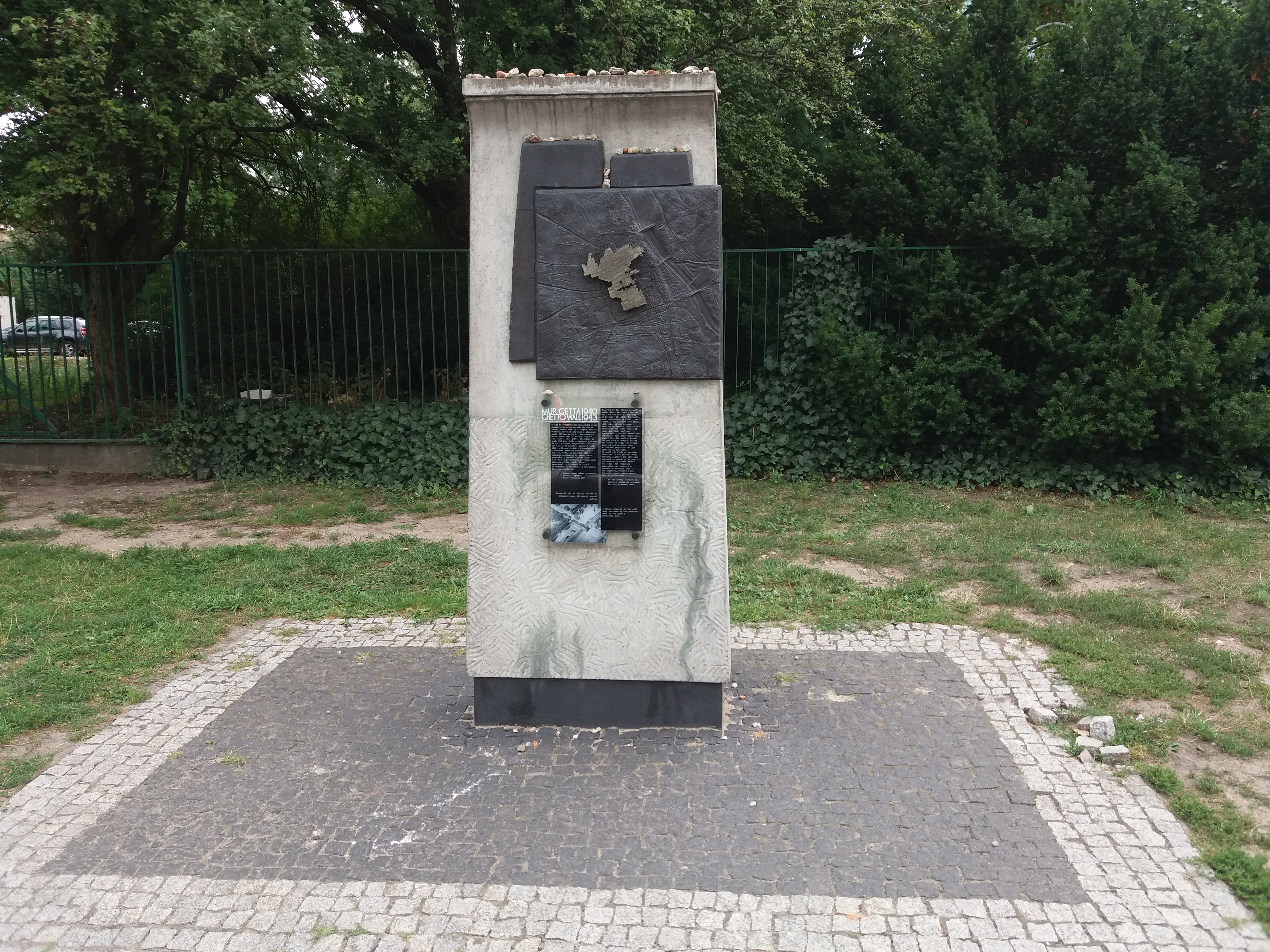
Rzeźby bohaterskiego oporu
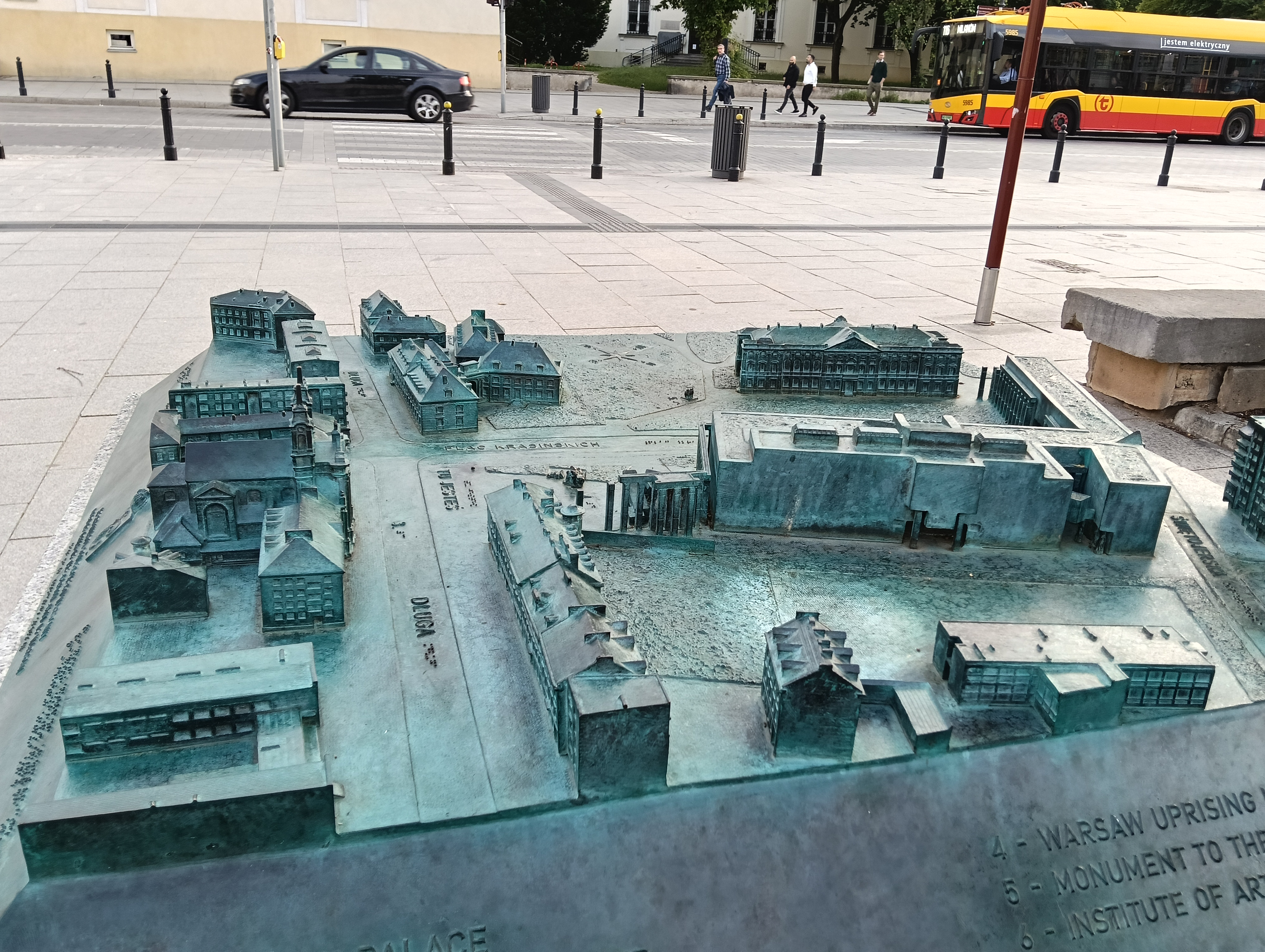
Grupa „Przetrwanie w ruinach”
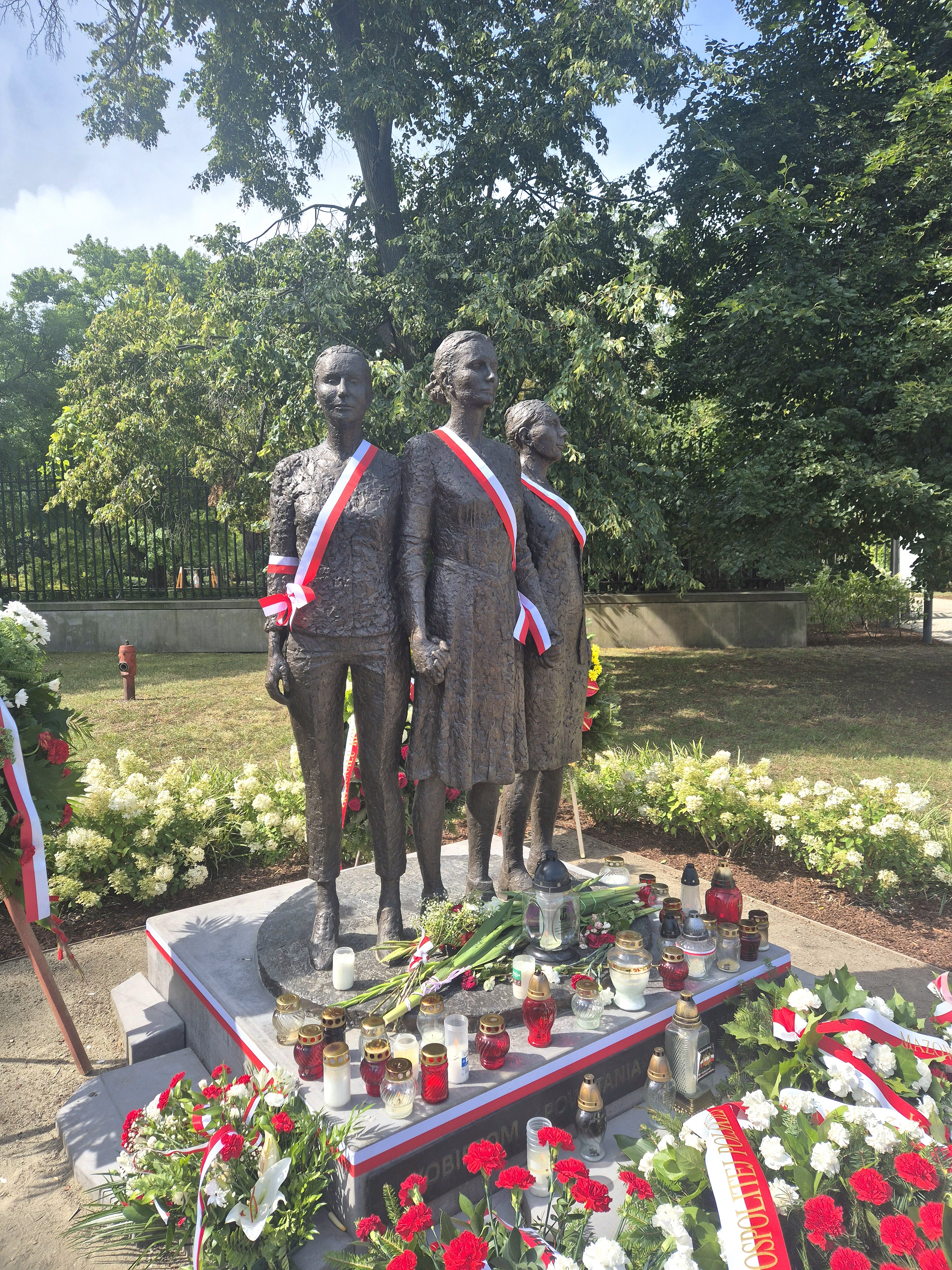
Widok na plac pamięci
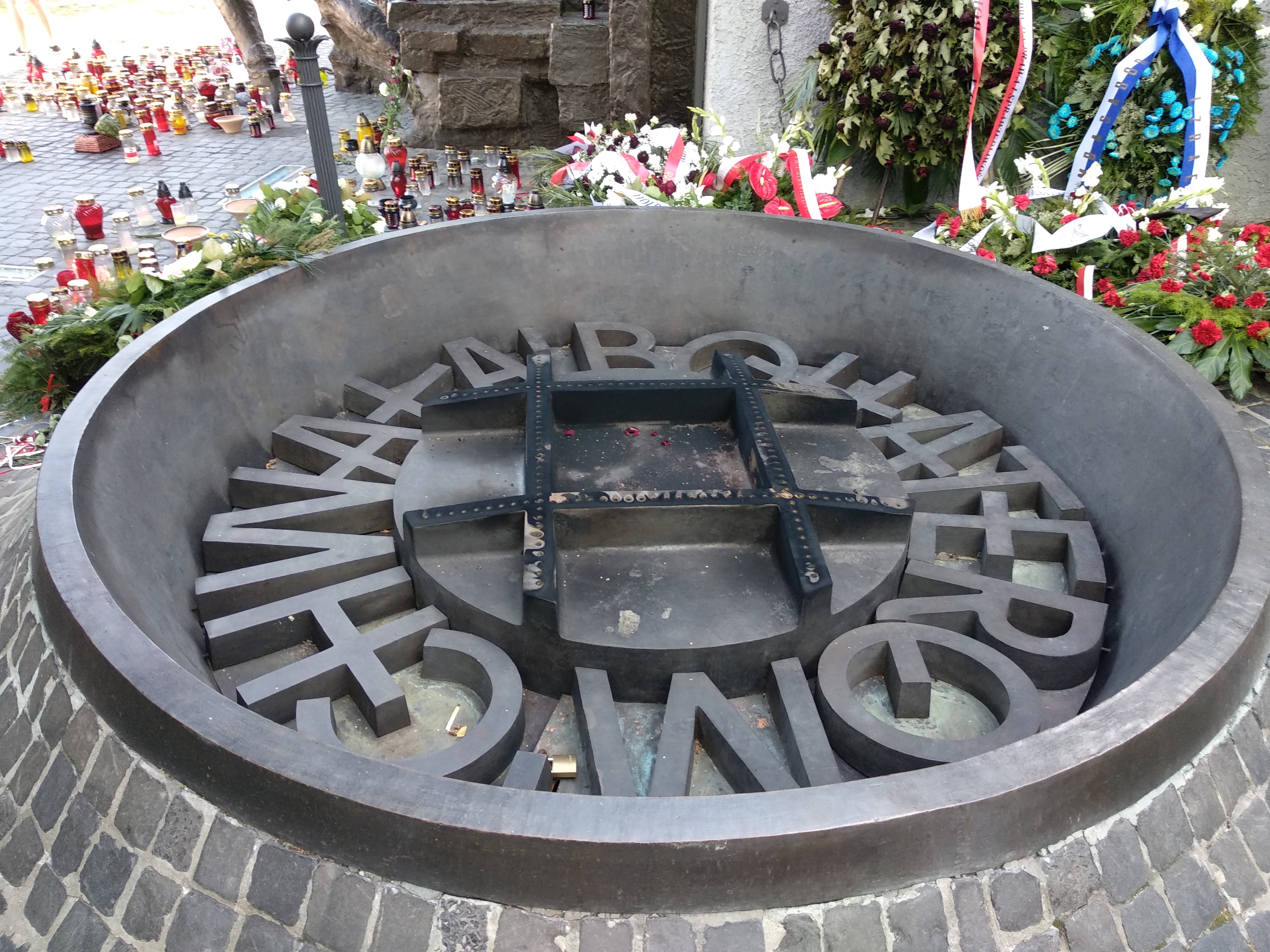
Detale rzeźby
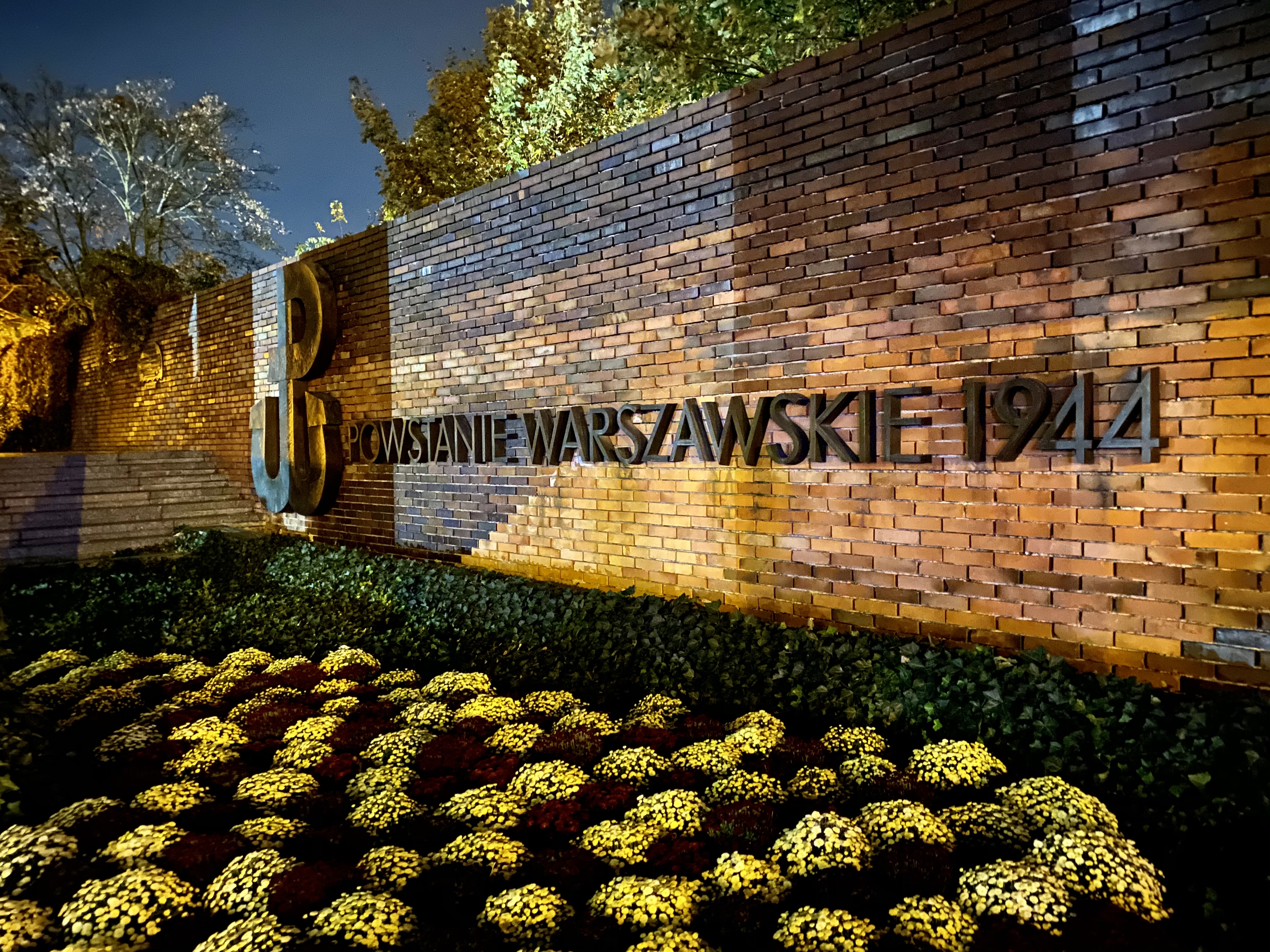
Wieczorna atmosfera
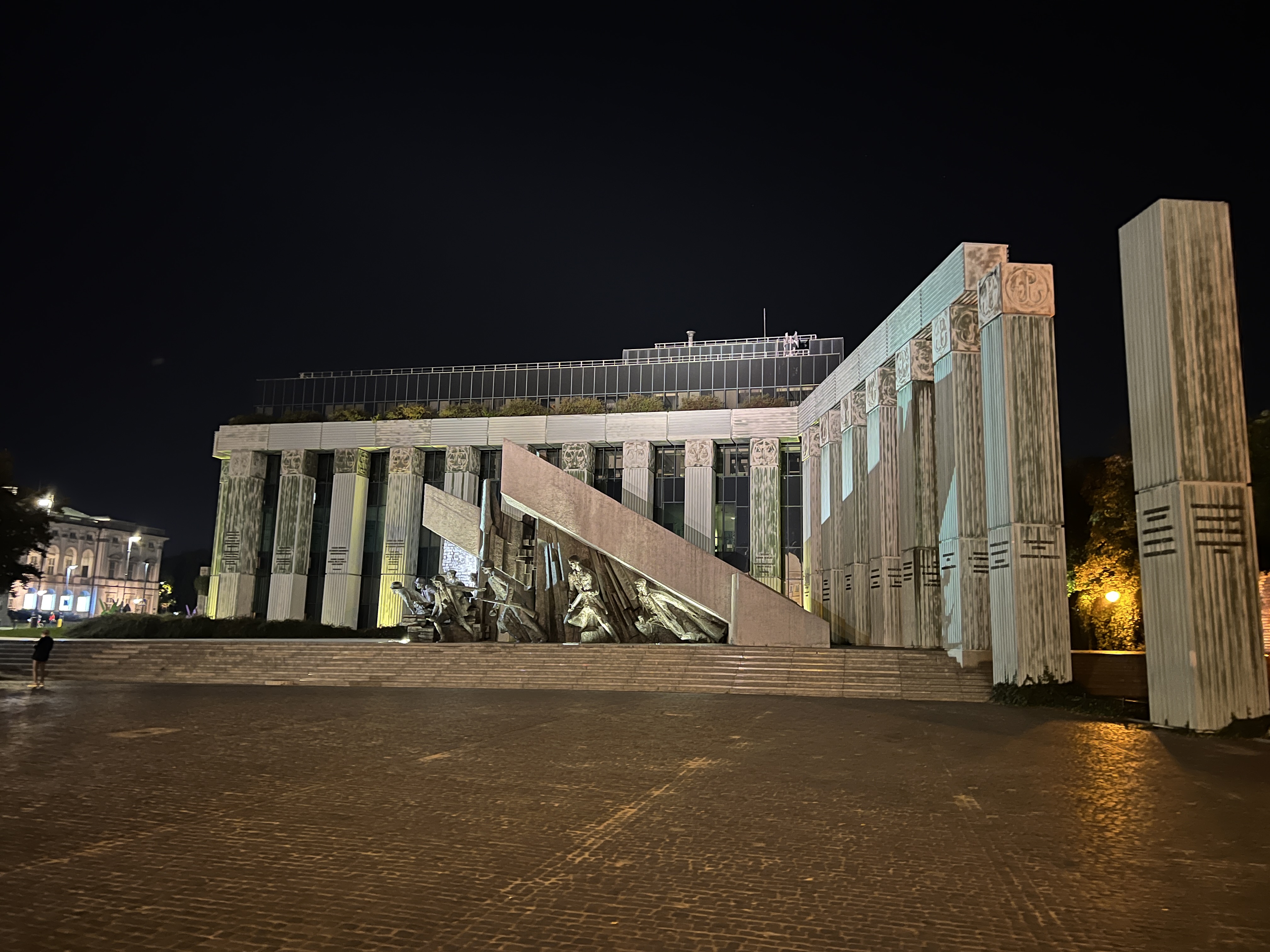
Strefa historyczna
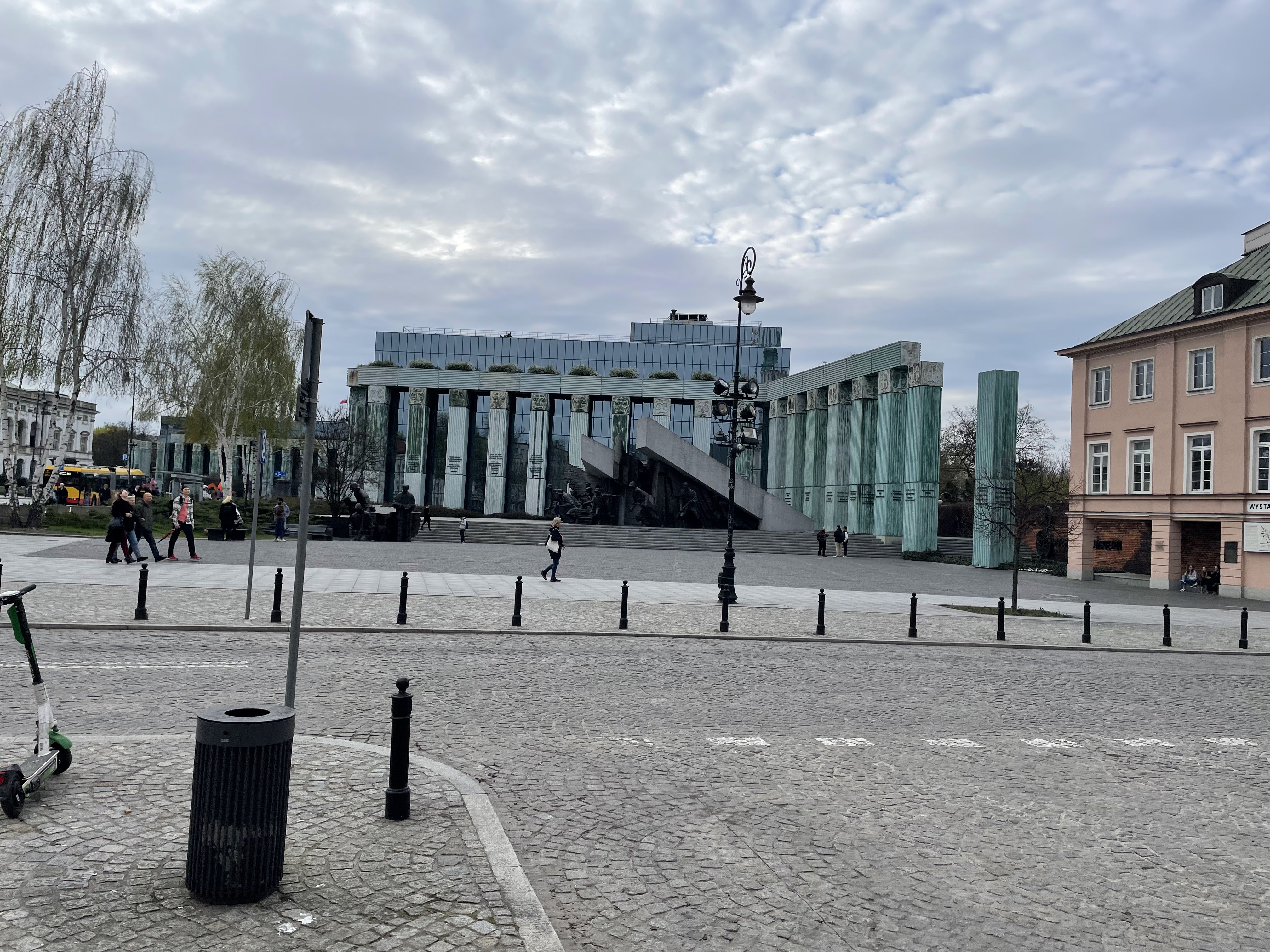
Panorama Warszawy w tle
Opinie odwiedzających
Opinie można przeglądać przez Google Maps (link zewnętrzny).
Absolutnie poruszające i wzruszające. Rzeźby potężnie oddają tragizm i bohaterstwo Powstania Warszawskiego. Stojąc tu, naprawdę czujesz ciężar historii.
Pozycja obowiązkowa dla każdego zainteresowanego historią II wojny światowej. Pomnik jest pięknie utrzymany, a atmosfera pełna głębokiego szacunku.
Realizm rzeźb jest niesamowicie sugestywny. Każdy detal opowiada historię poświęcenia i oporu. Gorąco polecam odwiedzić o zachodzie słońca.
Mocne przypomnienie o niezłomności Warszawy. Pomnik jest świadectwem ducha miasta. Okolica idealna do zadumy.
Bardzo okazały pomnik w centrum miasta. Ważne miejsce, by zrozumieć historię Polski — gorąco polecam!
Zapierający dech i niezwykle dopracowany w szczegółach. Za każdym razem czuję ten niezłomny duch.
Jedna z obowiązkowych atrakcji Warszawy! Wokół panuje cisza, a w świetle lamp wygląda jeszcze dostojniej.
Bardzo edukacyjne miejsce. Upamiętnia nie tylko bohaterów wojny, ale też skłania do refleksji, jak cenna jest wolność.
Często zadawane pytania
Praktyczne odpowiedzi ułatwiające planowanie wizyty.
Co zobaczyć w pobliżu Pomnika Powstania Warszawskiego
Plac Krasińskich leży między Starym Miastem a dawnym gettem - połącz pomnik z tymi atrakcjami.
Sąd Najwyższy
Na tym samym placuSupreme Court of Poland
Monumentalny gmach najwyższego sądu w Polsce stoi bezpośrednio za pomnikiem na placu Krasińskich.
Zobacz w Google MapsPałac Krasińskich
100 mKrasiński Palace
Wspaniały barokowy pałac z XVII wieku po północnej stronie placu, dziś część Biblioteki Narodowej.
Zobacz w Google MapsStare Miasto
600 m · 8 min pieszoWarsaw Old Town
Zamek Królewski, Rynek Starego Miasta, Katedra św. Jana i Barbakan - warszawskie Stare Miasto wpisane na listę UNESCO.
Zobacz w Google MapsMuzeum Historii Żydów Polskich POLIN
900 m · 12 min pieszoPOLIN
Nagradzane muzeum na terenie dawnego getta warszawskiego, krótki spacer na zachód od placu.
Zobacz w Google MapsMuzeum Powstania Warszawskiego
2,6 km · tramwajWarsaw Uprising Museum
Najważniejsze muzeum poświęcone powstaniu z 1944 roku, mieszczące się w dawnej elektrowni tramwajowej na Woli.
Zobacz w Google MapsPomnik, Muzeum i Powstanie w Getcie — różnice
Te trzy pojęcia są często mylone. To zestawienie pomaga je odróżnić.
Pomnik Powstania Warszawskiego
Pomnik Powstania Warszawskiego
- Typ
- Rzeźba plenerowa / pomnik
- Lokalizacja
- Plac Krasińskich (centrum miasta)
- Upamiętnia
- Powstanie Warszawskie 1944
- Dostęp
- Wstęp wolny, otwarte 24/7
Muzeum Powstania Warszawskiego
Muzeum Powstania Warszawskiego
- Typ
- Muzeum historyczne w budynku
- Lokalizacja
- Dzielnica Wola (ok. 2,6 km stąd)
- Upamiętnia
- Powstanie Warszawskie 1944 (cała historia)
- Dostęp
- Płatny bilet (35/30 zł)
Powstanie w getcie warszawskim
Powstanie w getcie warszawskim
- Typ
- Wydarzenie historyczne (1943)
- Lokalizacja
- Dawne getto (okolice Muzeum POLIN)
- Upamiętnia
- Powstanie żydowskiego getta 1943
- Dostęp
- Miejsca pamięci bezpłatne
Jak dojechać
plac Krasińskich, 00-263 Warszawa, Polska
Aktualne informacje i regionalne dane turystyczne znajdziesz na portalu Polski Oficjalny Portal Turystyczny
Źródła i lektura uzupełniająca
Niezależne, niekomercyjne materiały źródłowe użyte w tym przewodniku.